Shift in German Public Opinion: Nearly Half Favor Reducing Aid to Ukraine
According to a recent YouGov survey, 49% of respondents in Germany support cutting or stopping support for Ukraine, while 39% favor maintaining or increasing aid.
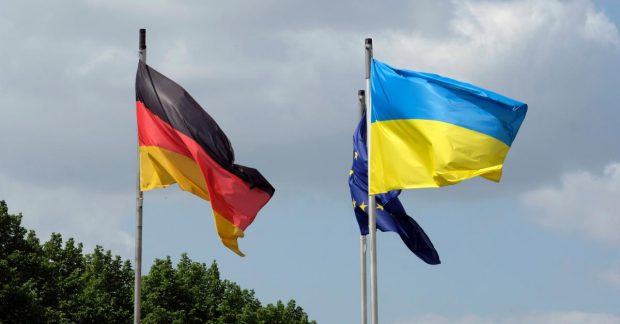 🏛️Politics
Photo: UNIAN
Key points
- 49% of surveyed Germans favor cutting or stopping aid to Ukraine
- 39% of respondents support maintaining or boosting current assistance
- 49% back immediate talks between Chancellor Merz and Putin without preconditions
Public sentiment in Germany indicates growing fatigue regarding the war in Ukraine, directly influencing how citizens view state financial and military support. According to a survey conducted by YouGov for Die Welt, nearly half of respondents support revising the current policy of assisting Kyiv. The poll surveyed 2,329 adult citizens online between November 13 and 16.
Breakdown of Aid Opinions and Regional Differences
The study reveals that 49% of participants believe Berlin should decrease or entirely stop financial, military, and humanitarian assistance. Specifically, 25% advocate for a complete halt to support programs, while 24% favor reducing funding. Conversely, 39% of Germans want to continue helping Ukraine, with 30% suggesting keeping support at current levels and 9% urging an increase. Another 11% remained undecided.
Sociologists highlighted notable regional and demographic variations across the country. In Western Germany, 42% of respondents favor maintaining or raising support, compared to just 25% in the East. Support for Ukraine is highest among young people aged 18–29 and seniors over 70. Since the invasion began, Germany has delivered over €45.7 billion in non-military assistance and €57.8 billion in military aid.
Debate Over Potential Talks with Moscow
The survey also addressed potential direct talks between German Chancellor Friedrich Merz and Russian leadership. Currently, 49% of respondents believe the German Chancellor should meet with Vladimir Putin as soon as possible, even without prior concessions from Moscow. This view is particularly prominent in eastern states (56%) and among citizens over 50.
Only 23% of respondents believe talks should occur only after Russia makes initial concessions. Meanwhile, 9% oppose any discussion between Merz and Putin at present. Concurrently, German authorities have extended temporary protection status for Ukrainian refugees until March 2028, introducing stricter entry verification for draft-eligible men arriving for the first time.
Source UNIAN — unian.ua/world/dopomoga-ukrajini-vid-nimechchini-mayzhe-polovina-ni… ↗
Read next
 💼Economy
NBU Updates Official Rates: US Dollar and Euro Increase
The National Bank of Ukraine has revised official exchange rates for November 24, recording an increase in the value of both the US dollar and the euro.
 💼Economy
National Bank of Ukraine updates official exchange rates: hryvnia weakens slightly
For November 24, the regulator set the official dollar rate at 45.08 UAH and the euro at 49.46 UAH.
 🛡️Security
New wave of nuclear blackmail: Medvedev outlines conditions for WMD use
Deputy Chairman of the Russian Security Council Dmitry Medvedev has once again threatened the use of nuclear weapons against Ukraine.
 🇺🇦Ukraine
European Commission Comments on Moscow Invitation and Future Negotiation Format
The European Commission acknowledges the invitation from Russia for a visit to Moscow, but continues to prioritize multilateral negotiation formats.
 🇺🇦Ukraine
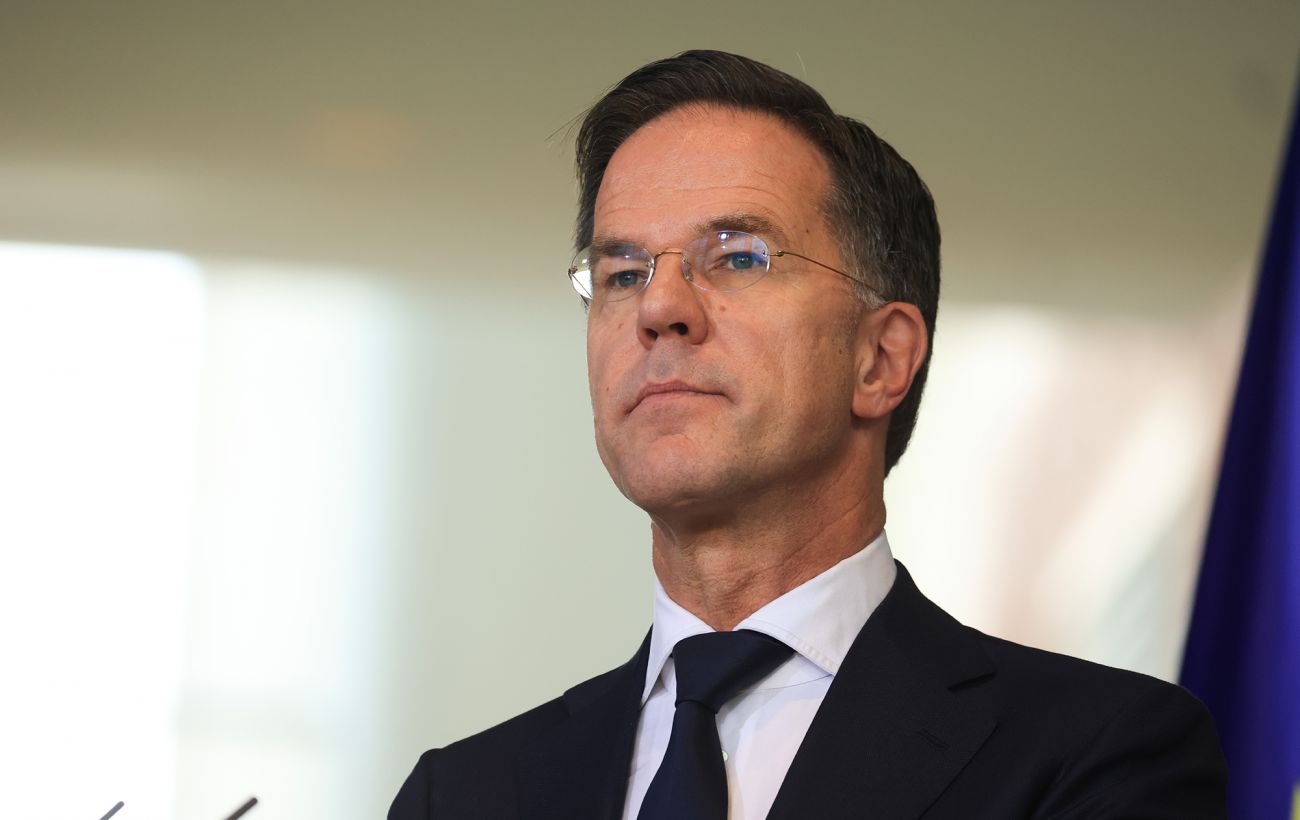
NATO Secretary General Mark Rutte rejects Russia's '1997 borders' demand
NATO Secretary General Mark Rutte has dismissed Russian proposals to return the Alliance to 1997 security arrangements, calling them unacceptable.
 🛡️Security
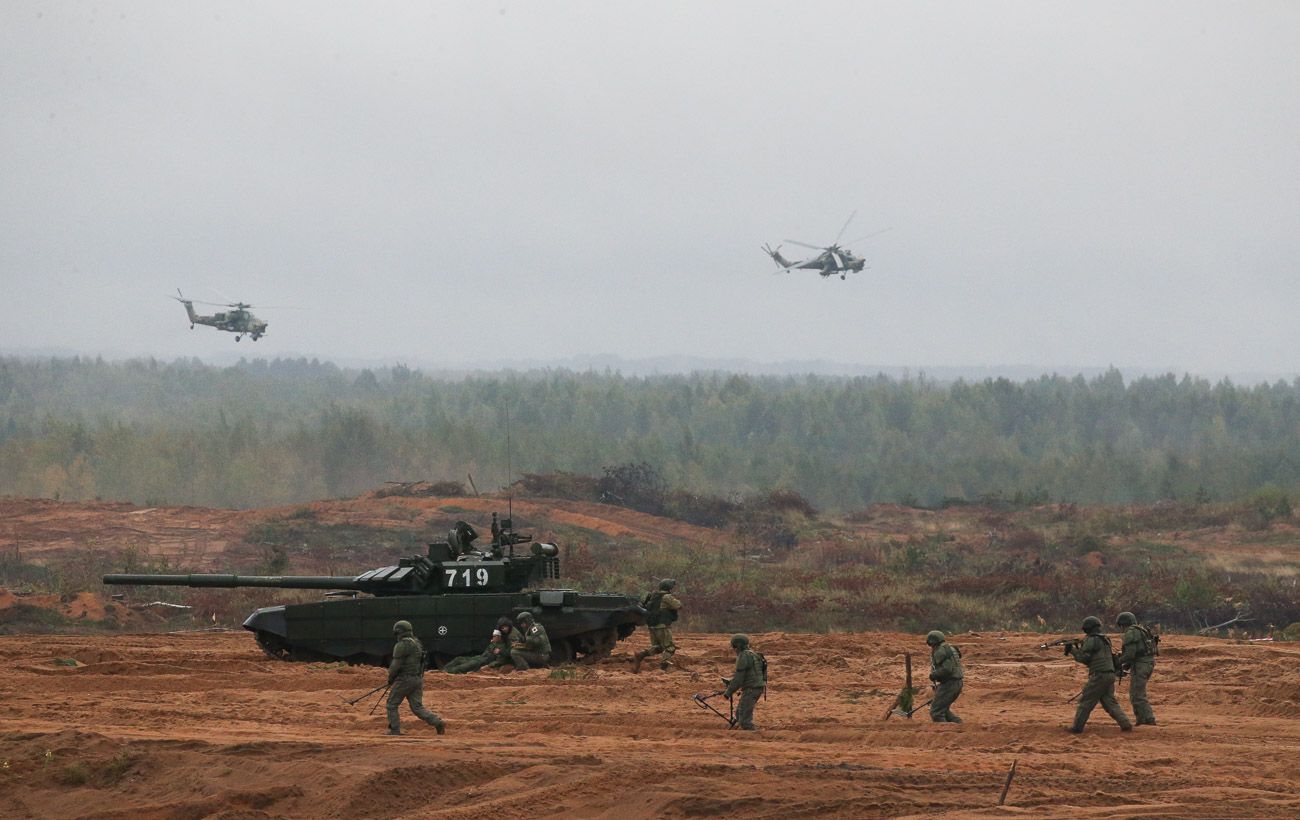
Russia Expands Military Infrastructure 60km from Finnish Border
Satellite imagery reveals significant reconstruction at the Kamenka garrison, aimed at increasing troop capacity and training capabilities near the NATO border.