Munich to Repurpose Former BMW Offices as Housing for Ukrainian Refugees
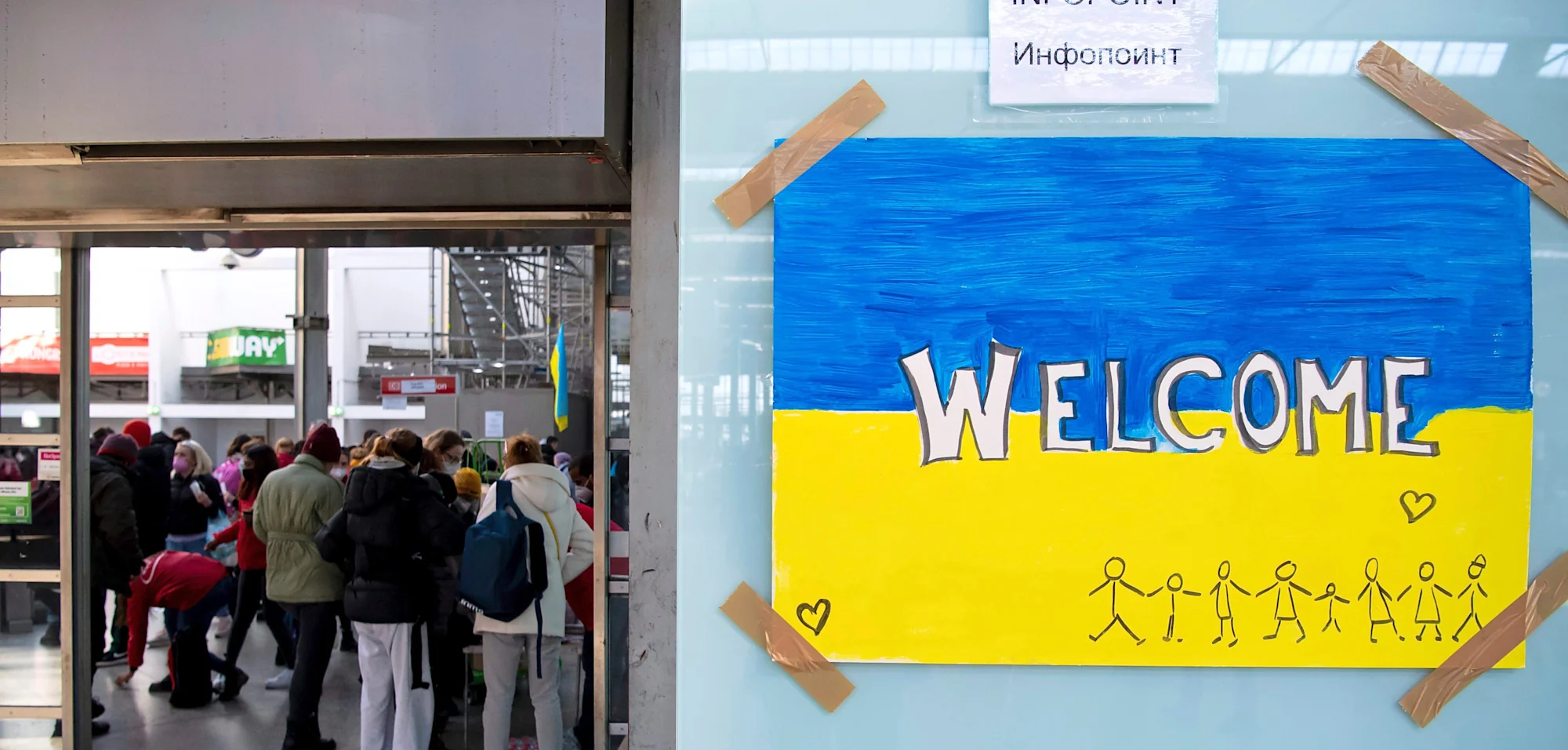
Munich city authorities have leased part of a former BMW administrative complex to house 600 refugees, primarily from Ukraine, starting this December.
 🇺🇦Ukraine
Photo: Ukrainska Pravda
Key points
- Munich leased BMW office space for 5 years to house 600 refugees.
- Move-in begins December 16, focusing on Ukrainian nationals.
- Living quarters feature 1.6m high partitions and external container showers.
- Local capacity concerns led to a reduction in the number of residents from 800 to 600.
The city of Munich is implementing an unconventional strategy to address the ongoing housing shortage for displaced persons. Local authorities have leased approximately one-third of a former BMW administrative complex located at Lauchstädter Straße 5–11. The site, which once housed the automaker's management staff, is being converted into temporary residential units for those seeking protection in Germany.
Corporate Spaces Turned Social Housing
The lease agreement is set for a five-year term, with the first residents expected to move in starting December 16. The facility is designed to accommodate up to 600 individuals, with priority initially given to refugees from Ukraine. This move comes as Munich continues to face a steady influx of approximately 200 new refugees every month, leaving municipal housing resources stretched to their limits.
The office complex was originally slated for demolition to make way for a new development featuring hotels and shops. However, shifting market conditions and rising interest rates led investors to abandon those plans. While commercial tenants are still being sought for the remaining two-thirds of the building, the city decided to utilize the vacant space for urgent social needs.
Living Conditions and Community Concerns
The interior of the office building has been modified using wooden partitions that stand only 1.6 meters high, providing limited privacy. The layout includes single and family rooms, communal kitchens, and designated areas for sports and children's play. Notably, shower facilities have been installed in containers located in the building's parking lot.
The project has faced some pushback from local residents, who voiced concerns regarding the potential strain on already overcrowded schools and kindergartens in the district. In response to these concerns, the city reduced the planned capacity from 800 to 600 spots. This initiative is part of a broader trend in Munich; a second former BMW office building on Moosacher Straße is also scheduled to be converted into refugee housing by the end of 2027.
Source Ukrainska Pravda — pravda.com.ua/news/2026/11/23/8064215/ ↗
Read next
 🛡️Security
New wave of nuclear blackmail: Medvedev outlines conditions for WMD use
Deputy Chairman of the Russian Security Council Dmitry Medvedev has once again threatened the use of nuclear weapons against Ukraine.
 🛡️Security
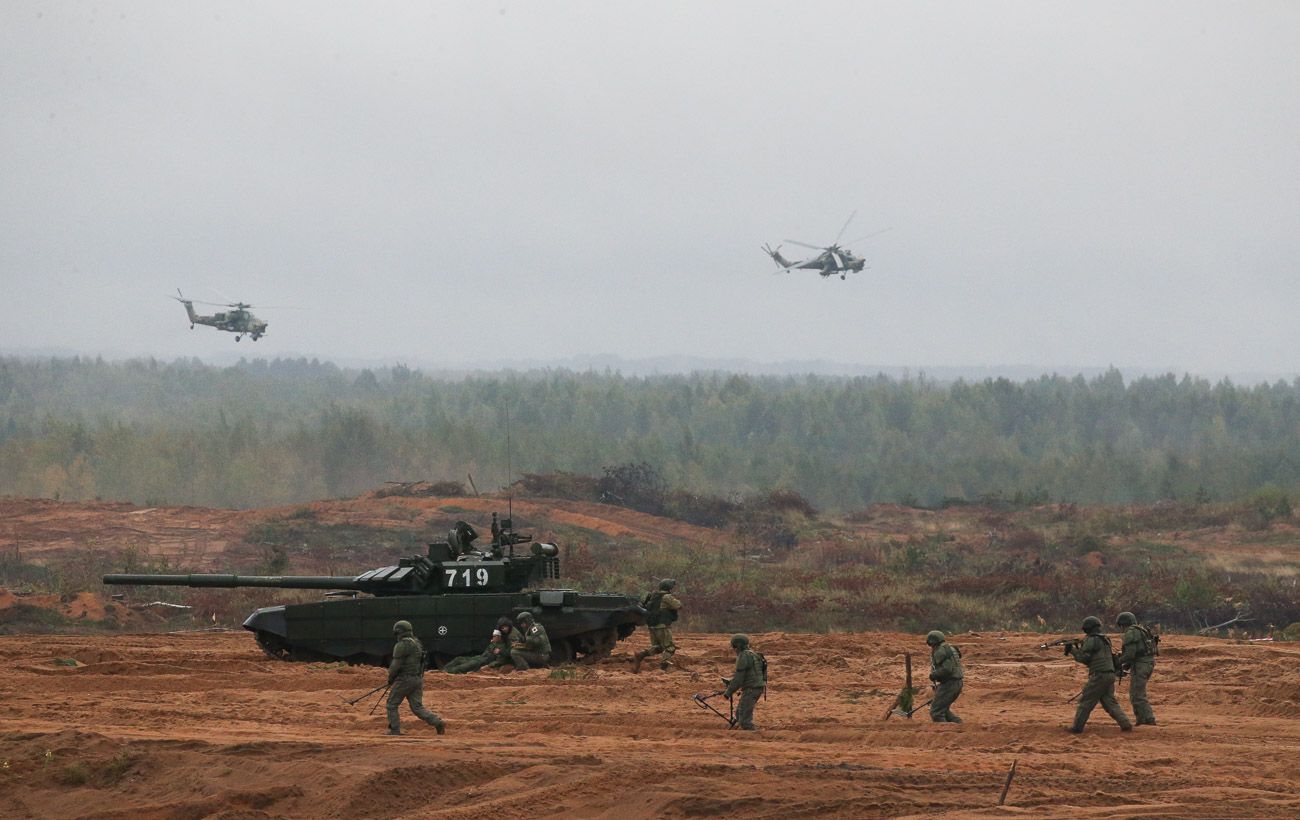
Russia Expands Military Infrastructure 60km from Finnish Border
Satellite imagery reveals significant reconstruction at the Kamenka garrison, aimed at increasing troop capacity and training capabilities near the NATO border.
 🧠AI Analysis
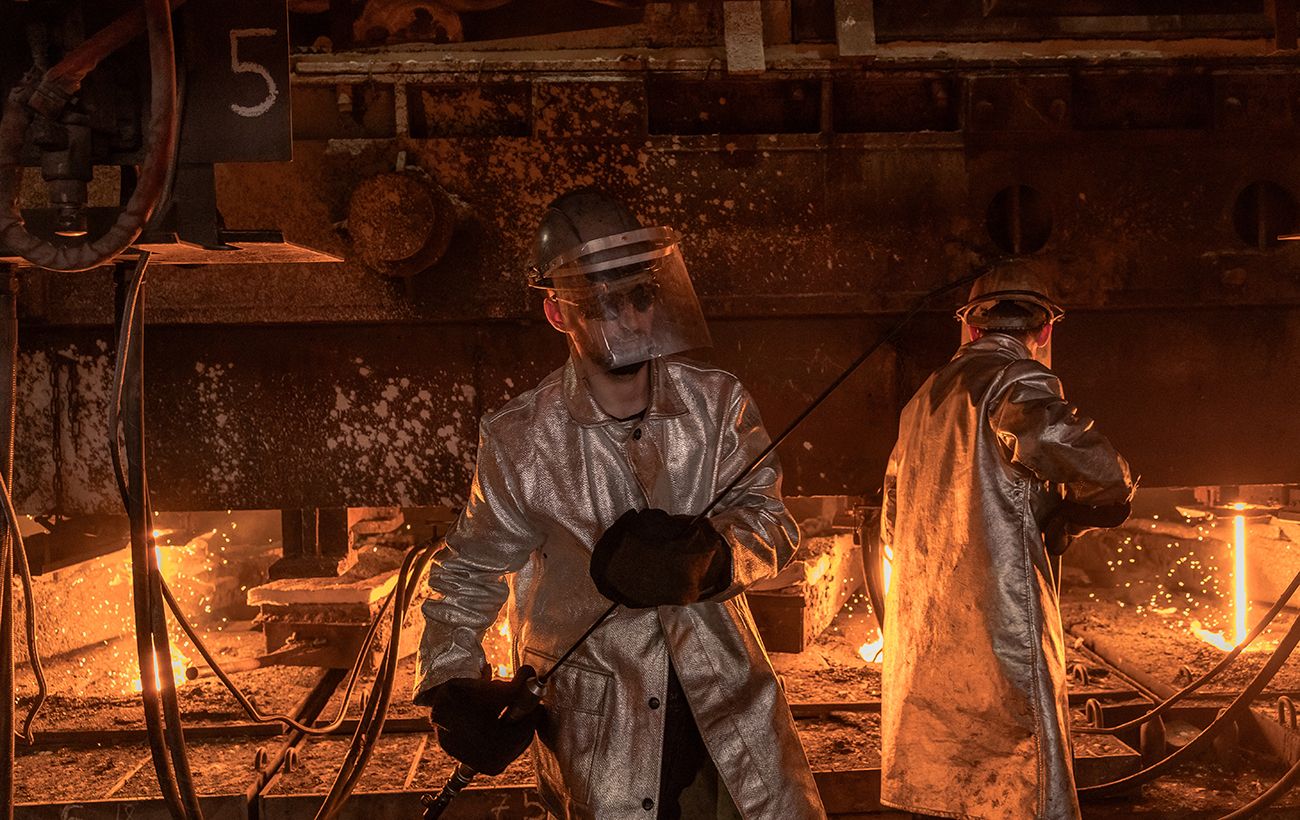
Mobilization Risks for Metallurgists: How ArcelorMittal's Shutdown Threatens Workforce Deferments
Thousands of workers at ArcelorMittal Kryvyi Rih face losing their mobilization 'reservation' status as production halts lead to lower wages, failing government criteria.
 🛡️Security
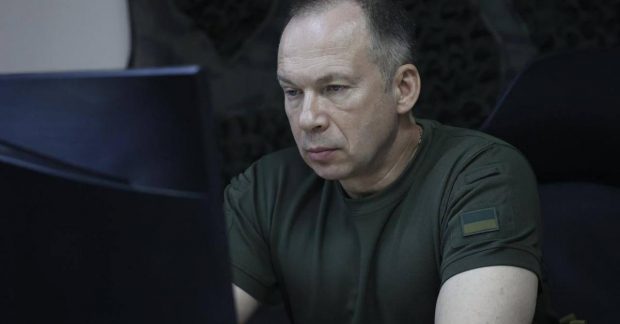
Oleksandr Syrskyi Outlines Key Lessons of the Russian-Ukrainian War for the Global Community
The former Commander-in-Chief of the Armed Forces of Ukraine outlined three main takeaways from the full-scale conflict for other nations at the Halifax International Sec…
 💼Economy
European Commission Opens Antitrust Probe into Major Coca-Cola Bottler Over Pricing Restrictions
The European Commission has launched an antitrust investigation into Coca-Cola Europacific Partners over suspected restrictions on cross-border sales.
 ⚽Sport
ATP Finals Review: Carlos Alcaraz Dominance and New Generation Prospects
The review of the ATP Finals highlights the undeniable leadership of Spanish tennis player Carlos Alcaraz and the emergence of promising newcomers.