‘Bohemian Truffle’ and Rare Fungi: Unique Discoveries in Odesa National Park
Scientists at the Tuzlovski Lymany National Nature Park have identified five rare mushroom species listed in the Red Book of Ukraine, including the unique Bohemian truffle.
 🎭Culture & Sport
Photo: UNIAN
Key points
- Five Red Book mushroom species were identified in Tuzlovski Lymany.
- The Bohemian truffle (Pisolithus arhizus) is known for its ability to break through asphalt.
- Leucoagaricus barssii is a new addition to the park's recorded biodiversity as of October 2025.
Tuzlovski Lymany National Nature Park in the Odesa region has become a focal point for mycological research following the discovery of unique representatives of the fungi kingdom. Scientists have documented five species of macromycetes on the reserve's territory that hold special conservation status and are listed in the Red Book of Ukraine. Among these finds is the Pisolithus arhizus, widely known in Europe as the ‘Bohemian truffle’ due to its distinctive appearance and properties.
Ecological Role and Biodiversity
Fungi play a fundamental role in maintaining the park's ecosystems. Acting as decomposers, they break down organic matter and return vital nutrients to the soil. Certain species form mycorrhizal relationships, assisting trees in absorbing water and minerals. The biodiversity at Tuzlovski Lymany has proven much richer than previously thought, encompassing puffballs, Montagnea, Panaeolus, and other unusual fungal representatives.
Rare Flora Representatives
- Pisolithus arhizus: Features a structure with numerous spore-bearing chambers; it is known for its ability to lift and break through asphalt during growth.
- Montagnea radiosa: A fungus adapted to arid sandy soils, which in its mature state resembles a black, withered flower.
- Poronia punctata: A rare species that grows exclusively on the aged dung of herbivores.
- Panaeolus desertorum: An inhabitant of open, arid habitats.
The discovery of Leucoagaricus barssii in October 2025 drew particular scientific interest. This find marked a new addition to the park's documented biodiversity. The fungus features a specific root-like stem and outwardly resembles a common mushroom, yet remains extremely rare.
“Many fungi are not easy to spot: they may lack bright colors or large fruiting bodies. Their appearance depends on humidity, temperature, and soil characteristics,” park experts noted.
The park administration urges visitors to exercise caution during their walks. Picking unfamiliar mushrooms is dangerous, as they may be either poisonous or belong to species protected by the state. Preserving these organisms is essential for the integrity of Ukraine's natural landscapes.
Source UNIAN — unian.ua/ecology/na-odeshchini-pomitili-ridkisni-gribi-sered-yakih-… ↗
Read next
 🛡️Security
Russian Sabotage in Europe Will Persist Even After Peace Deal, Polish Intelligence Warns
A potential peace agreement ending the war in Ukraine will not stop Russia's sabotage operations across Europe, according to Polish Intelligence Services Coordinator Toma…
 🚌Transport
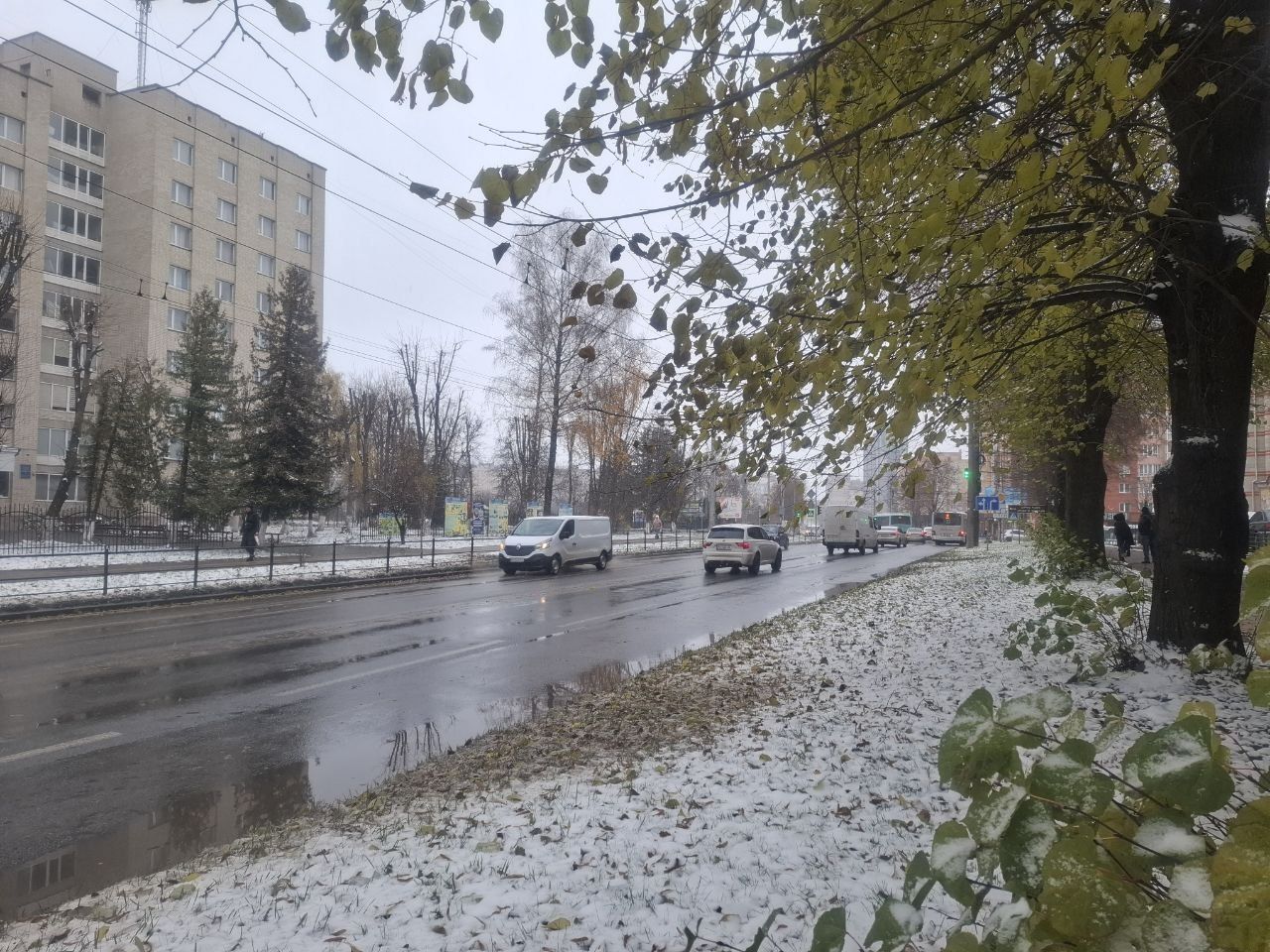
Worsening weather conditions in Ternopil region: utility services on high alert
A storm warning has been issued for the region due to icy roads. Local utility services have started treating roads and sidewalks with anti-icing materials.
 🩺Health
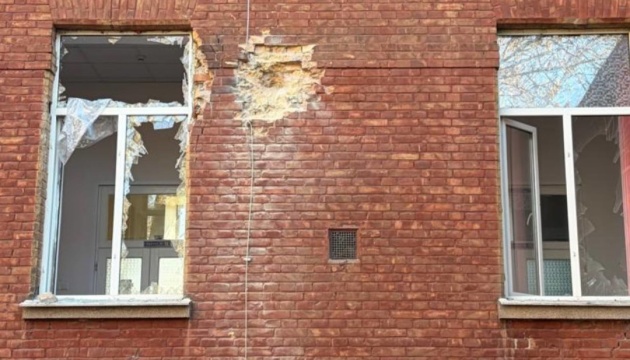
Hospital damaged in enemy attack on Odesa
A municipal hospital in Odesa sustained damage during a recent enemy attack. No patients or medical staff were injured, and the facility remains operational.
 🚨Events
Robbery in a Ternopil hostel: suspect apprehended by police
A conflict between hostel guests in Ternopil resulted in an assault and theft of personal belongings. The perpetrator, who was hiding in a neighboring region, has been de…
 ⚽Sport
Oleksandr Usyk attends Premier League match and meets Ukrainian players
Undisputed world boxing champion Oleksandr Usyk visited the Brentford vs. Everton match to support Ukrainian players.
 🛡️Security
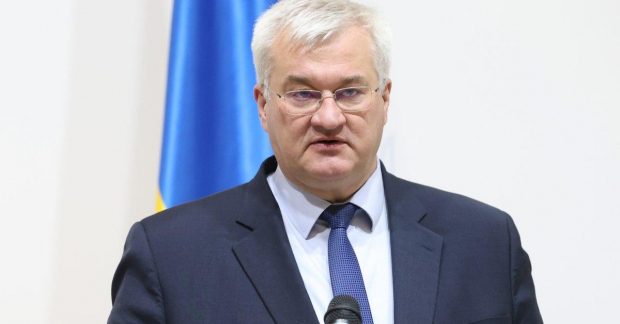
Appointment of sanctioned Russian official to IAEA sparks sharp protest from Kyiv
The Ukrainian Foreign Ministry has strongly condemned plans to appoint sanctioned Russian official Aleksey Ferapontov to a leadership position in the IAEA.