“Aquaterra”: How underwater archaeologists find traces of lost civilizations
Researchers are studying submerged coastal areas where humans lived thousands of years ago, revealing the secrets of ancient life.
 🎭Culture & Sport
Photo: UNIAN
Key points
- The Aquaterra concept covers 22.5 million square kilometers of submerged land.
- Archaeologists are finding traces of daily life and tools underwater.
- Sea level changes influenced the development of ancient cultures.
- Coastal erosion threatens even colonial-era monuments.
Lost lands beneath the waves
Over the last 120,000 years, the Earth's coastline has undergone significant changes due to fluctuations in sea levels. In 1999, geographer Jerome Dobson coined the term “Aquaterra” to describe vast territories, totaling approximately 22.5 million square kilometers, that were once land but have since been submerged.
During ice ages, sea levels dropped, revealing plains, forests, and wetlands that became home to ancient humans. Archaeologists suggest that a significant portion of human cultural and technological progress occurred in these areas. Today, scientists use modern mapping and soil analysis techniques to locate the remains of ancient settlements that were previously considered lost forever.
From Mayan artifacts to colonial settlements
Modern underwater projects are already yielding impressive results. For instance, in the Gulf of Mexico, researchers found plant remains and animal bones dating back about 9,000 years, while off the coast of Belize, they discovered traces of buildings where the Maya once extracted salt. Researchers emphasize that the sea consumes not only ancient monuments but also objects of relatively recent history, such as 16th-century colonial settlements, which are gradually being destroyed by coastal erosion.
Source UNIAN — unian.ua/science/pid-vodu-pishla-susha-rozmirom-iz-pivnichnu-amerik… ↗
Read next
 🛡️Security
New wave of nuclear blackmail: Medvedev outlines conditions for WMD use
Deputy Chairman of the Russian Security Council Dmitry Medvedev has once again threatened the use of nuclear weapons against Ukraine.
 🇺🇦Ukraine
European Commission Comments on Moscow Invitation and Future Negotiation Format
The European Commission acknowledges the invitation from Russia for a visit to Moscow, but continues to prioritize multilateral negotiation formats.
 🇺🇦Ukraine
NATO Secretary General Mark Rutte rejects Russia's '1997 borders' demand
NATO Secretary General Mark Rutte has dismissed Russian proposals to return the Alliance to 1997 security arrangements, calling them unacceptable.
 🛡️Security
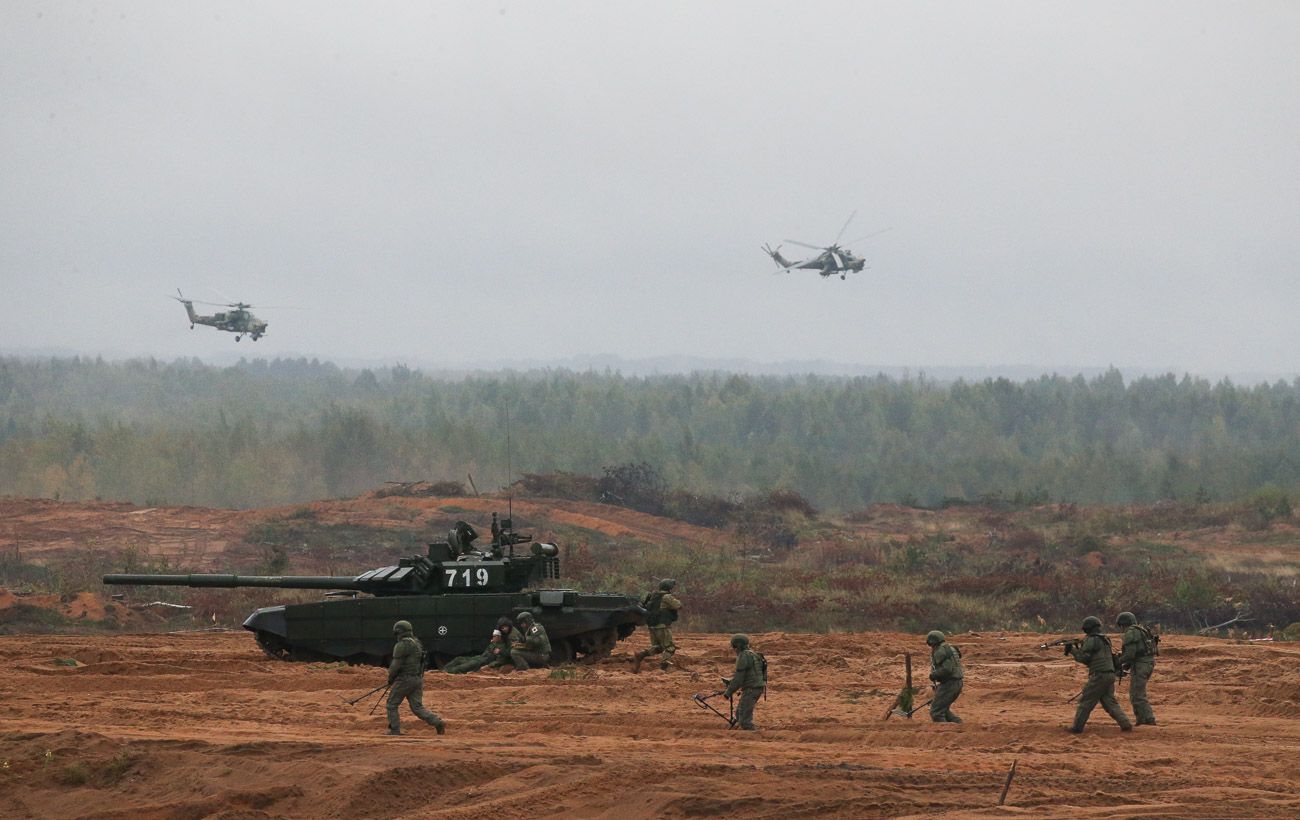
Russia Expands Military Infrastructure 60km from Finnish Border
Satellite imagery reveals significant reconstruction at the Kamenka garrison, aimed at increasing troop capacity and training capabilities near the NATO border.
 🇺🇦Ukraine
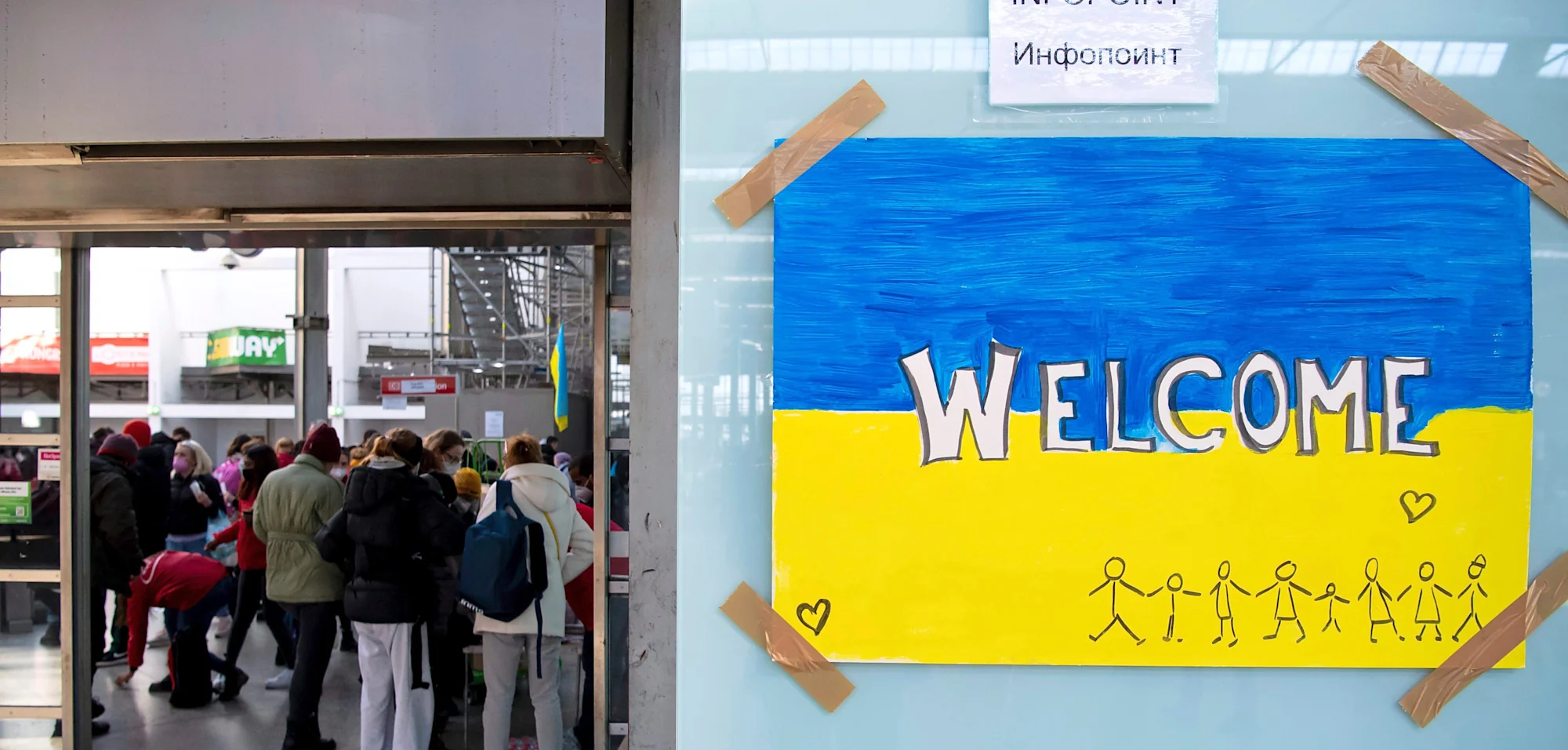
Munich to Repurpose Former BMW Offices as Housing for Ukrainian Refugees
Munich city authorities have leased part of a former BMW administrative complex to house 600 refugees, primarily from Ukraine, starting this December.
 🧠AI Analysis
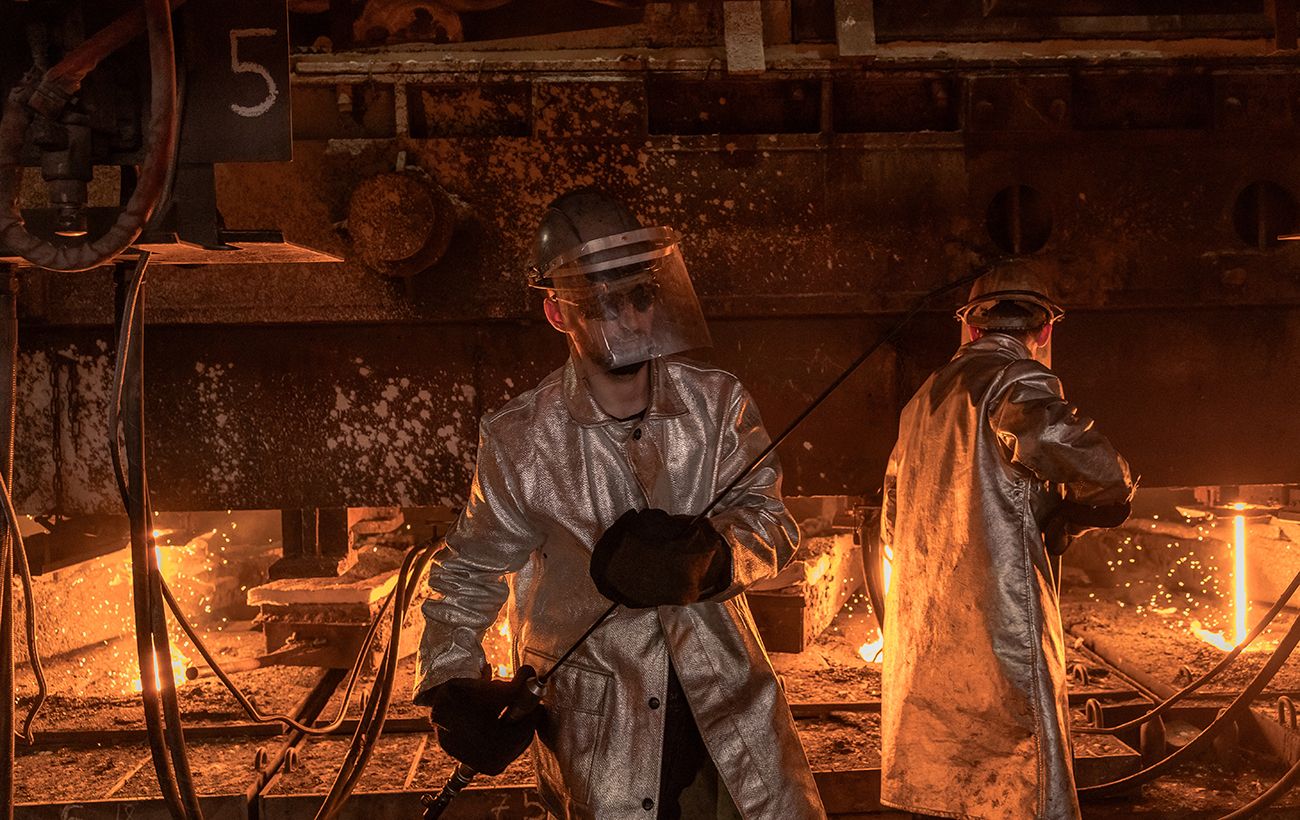
Mobilization Risks for Metallurgists: How ArcelorMittal's Shutdown Threatens Workforce Deferments
Thousands of workers at ArcelorMittal Kryvyi Rih face losing their mobilization 'reservation' status as production halts lead to lower wages, failing government criteria.