Microplastics in Water: New Study Reveals Hidden Chemical Threat
Scientists have found that microplastics in water do not just pollute the environment but also trigger dangerous chemical reactions that can damage cells.
 🩺Health
Photo: TSN
Key points
- Microplastics trigger chemical reactions that form free radicals
- Polyethylene and polypropylene are the most chemically active materials
- Heating plastic in microwaves facilitates the release of dangerous particles
Microplastics, which we are accustomed to considering passive pollutants, have proven to be significantly more active than previously thought. A study conducted by experts from Columbia University and the University of California, Berkeley, proves that upon contact with water, plastic particles trigger the formation of reactive oxygen species.
Chemical activity on the plastic surface
During the interaction of plastic with water, conditions for electron transfer arise, leading to the appearance of hydroxyl radicals. These molecules are capable of damaging proteins and DNA structures. Researchers tested six types of plastic, including polyethylene and PET, and found that polyethylene and polypropylene are the most active.
Experiments on mouse blood cells showed that microplastics can cause the destruction of cell membranes. Furthermore, proteins accumulate on the surface of the particles, altering their natural properties and biological functions.
How to minimize household risks
Sources of microplastics in everyday life include not only bottles but also synthetic clothing and disposable tableware. Experts advise avoiding heating plastic containers in microwaves and prolonged exposure of water bottles to sunlight, as this accelerates material degradation and the release of hazardous particles.
Source TSN — tsn.ua/zdorovya/mikroplastyk-vyiavyvsia-nebezpechnishym-niz-vvazaly-shc… ↗
Read next
 🚨Events
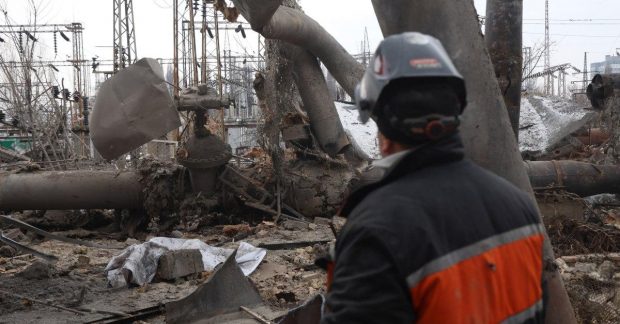
Military engineers to be involved in energy infrastructure repairs
The government plans to engage specialists from the State Special Transport Service to assist in repair works on damaged energy facilities.
 👥Society
Europe records highest number of rare great bustards in half a century
Ornithologists in Slovakia have counted 638 great bustards in a protected natural area, marking the best result since 1973. The recovery of one of the world's heaviest fl…
 💼Economy
Laying Hens Productivity and Care: What Backyard Farmers Should Know
Experts share insights into the egg-laying capacities of different hen breeds, their digestive systems, and essential dietary requirements.
 🎓Education
Engineering Breakthrough: Unique Bridge Completed Over a 400-Meter Canyon in China
Chinese engineers have successfully connected the structure of the Gunyuhe Bridge, which has become one of the tallest in the world due to innovative construction technol…
 🚨Events
Sweden Develops New K200 Interceptor Drone to Target Jet-Powered UAVs
Swedish startup Nordic Air Defence has unveiled the K200 autonomous interceptor drone, developed with Ukrainian partners to counter high-speed enemy UAVs.
 🎓Education
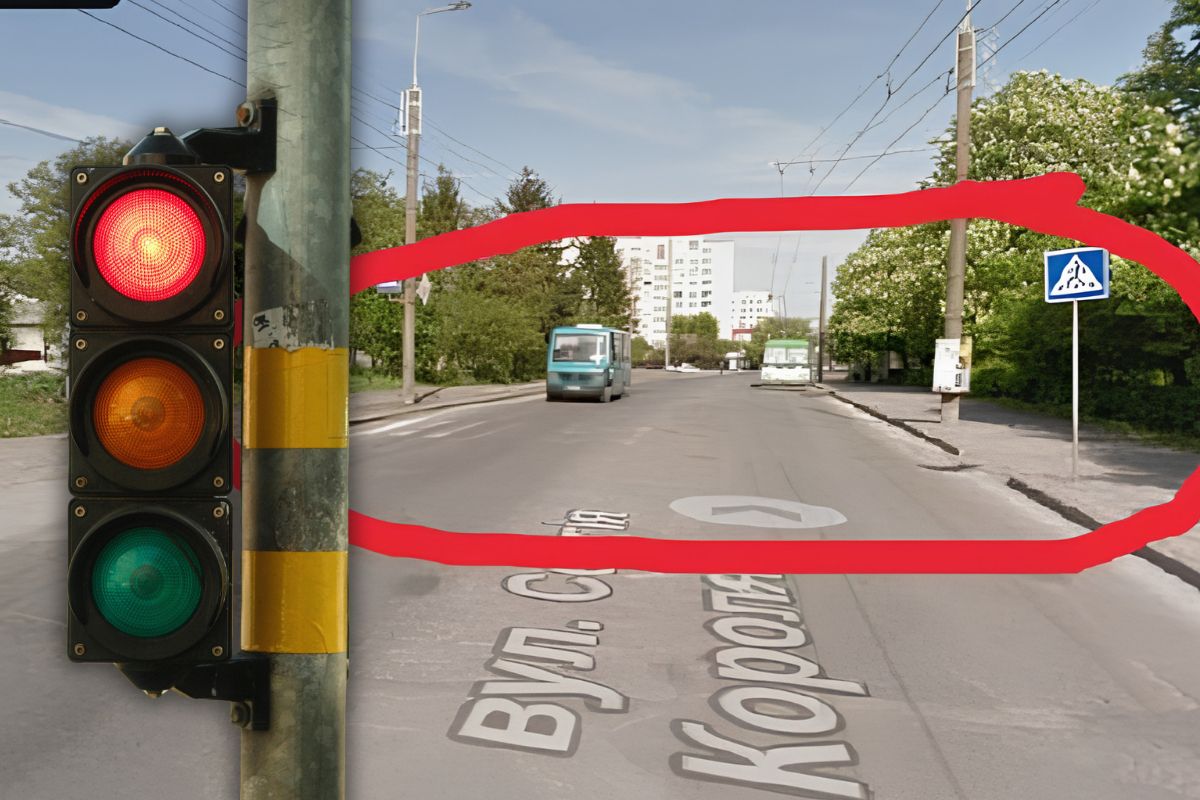
Ternopil Residents Petition for Traffic Lights on Dangerous Street Following Fatal Crash
A new petition on the local portal calls for the installation of a pedestrian-activated traffic light on Serhiy Korol Street due to high traffic risks.